
The Digital Renaissance of Indian Skincare: How D2C E-Commerce Is Democratizing Clean Beauty
Explore how direct-to-consumer e-commerce is transforming Indian skincare, breaking retail monopolies, and empowering brands like NACHAREL
The Digital Renaissance of Indian Skincare: How D2C E-Commerce Is Democratizing Clean Beauty
Over the past decade, the routine of buying personal care products in India has undergone a profound structural shift. For decades, consumers were limited to whatever products lined the shelves of their local supermarkets or neighborhood medical shops. These shelves were heavily dominated by multinational conglomerates pushing mass-produced, chemically preserved, detergent-based bars and synthetic lotions.
Today, high-speed digital connectivity, transparent social commerce, and modern digital storefronts have completely rewritten that script. Modern consumers are bypass-shopping the retail middleman. Through dedicated e-commerce platforms, conscious consumers across tier-1 metropolises and tier-3 towns alike are finding direct access to fresh, small-batch formulations from dedicated artisans such as NACHAREL
.
This direct-to-consumer (D2C) revolution is not just a logistical convenience—it is a fundamental transformation in how skincare is formulated, preserved, and delivered to Indian homes.
1. Deconstructing the Indian E-Commerce Skincare Boom
India’s beauty and personal care market has historically been one of the fastest-growing sectors in Asia. However, the true disruption lies within the clean and organic personal care segment, accelerated by key consumer-driven catalysts:
The Collapse of Information Asymmetry
Before online forums, ingredient analysis tools, and independent reviews, brands could use misleading marketing terms like “herbal,” “natural,” or “dermatologically tested” without having to justify what was inside the bottle. Today’s digital-first shoppers flip bottles to read the INCI (International Nomenclature of Cosmetic Ingredients) list. They recognize that an ingredient listed last behind water, synthetic fragrance, and parabens provides virtually zero therapeutic value.
Overcoming the Geographic Shelf-Space Monopoly
In traditional brick-and-mortar retail, securing shelf space required massive distributor margins, slotting fees, and nationwide retail networks. Small, ethical formulators prioritizing fresh botanical ingredients over synthetic preservatives were shut out because their batches had shorter, healthier shelf lives. E-commerce platforms like NACHAREL
eliminate this barrier completely, allowing artisan formulators to ship freshly cured soaps, botanical balms, and nutrient-dense oils directly from their workshops to doorsteps anywhere in India.
Climate and Skin-Specific Customization
The Indian subcontinent encompasses diverse climatic zones—from the humid coastlines of Mumbai and Chennai to the arid heat of Rajasthan and the dry, freezing winters of the northern hills. Traditional mass retail offered generic formulas engineered to survive years in unrefrigerated warehouses rather than targeting individual skin barrier needs. E-commerce enables shoppers to select targeted botanical profiles formulated for specific regional triggers like urban air pollution, hard water stripping, and extreme seasonal shifts.
2. Mass Manufacturing vs. Artisanal D2C Formulations
To understand why direct-to-consumer skincare is flourishing, one must understand how commercial cleansers and moisturizers are made compared to natural, handcrafted alternatives.
| Evaluation Metric | Mass-Market Commercial Brands | Handcrafted Artisanal Brands (NACHAREL) |
| Cleansing Base | Synthetic detergents (SLS, SLES, syndet bars) | Saponified plant lipids, pure oils, cold-pressed bases |
| Glycerin Retention | Extracted out to sell as a profitable byproduct | Retained 100% within the soap via natural cold processing |
| Active Concentrations | Often <1%, heavily diluted with aqua & fillers | High-density botanical extracts, raw plant butters, unrefined oils |
| Preservation System | Parabens, phenoxyethanol, synthetic stabilizers | Natural antioxidants (Vitamin E), small-batch rapid dispatch |
| Supply Chain Journey | Factory $\rightarrow$ Central Warehouse $\rightarrow$ Regional Distributor $\rightarrow$ Store Shelf (Months to Years) | Apothecary Workshop $\rightarrow$ Temperature-Managed Packing $\rightarrow$ Direct to Consumer (Days/Weeks) |
Commercial “beauty bars” are technically synthetic detergent bars. During commercial saponification, the natural humectant glycerin is systematically removed and redirected into high-priced moisturizers or industrial uses. To compensate for lost emollients, manufacturers add synthetic foam boosters, artificial colorants, and heavy fragrances that can disrupt the skin’s acid mantle, triggering chronic dryness, redness, and reactive oil overproduction.
In contrast, small-batch formulators utilize slow, traditional cold-process saponification. Vegetable oils, pure cow’s ghee, and plant butters are carefully blended with an alkali base, naturally producing rich glycerin that remains entirely within the bar. The resulting wash cleanses without stripping essential epidermal lipids.
3. The Integral Role of Nacharel in the Indian Market
As the domestic market becomes flooded with “greenwashed” commercial lines masquerading as clean brands, NACHAREL
serves a vital role in grounding skincare back into pure, honest, small-batch authenticity.
Reviving Artisanal Formulations for Modern Skin
merges ancestral Ayurvedic wisdom with minimalist skincare ethics. Rather than depending on synthetic thickeners and laboratory fillers, the brand centers its formulations around ingredients that actively nourish the skin barrier:
- Pure Cow’s Ghee Formulations: Packed with fat-soluble vitamins (A, D, E, and K) and bio-compatible fatty acids that mirror the skin’s natural intercellular lipids, locking in hydration against moisture-depleting hard water.
- Activated Bamboo Charcoal & Botanical Purifiers: Gently binding with environmental toxins, sebum plugs, and airborne soot without triggering micro-tears or moisture loss.
- Cold-Pressed Seed Oils & Essential Botanicals: Providing concentrated nourishment, balancing hyperpigmentation, and preserving long-term skin elasticity.
Sustainable, Low-Impact Operations
True self-care extends beyond individual skin health to environmental impact. Mass skincare generates tons of single-use plastic waste and washes persistent chemical detergents into local waterways. By crafting biodegradable, solid-bar alternatives and prioritizing minimal, eco-conscious packaging, NACHAREL
allows Indian consumers to maintain daily hygiene rituals without compromising environmental sustainability.
4. How to Transition to a Botanical Skincare Routine
Transitioning away from conventional synthetic products requires a short rebalancing window as your skin barrier recovers its natural lipid equilibrium.
Step 1: Barrier Cleansing
Replace harsh SLS liquid body washes with a cold-process, glycerin-rich bar.
                  ↓
Step 2: Hydration & Balance
Mist skin with pure, alcohol-free steam-distilled floral waters (Rose or Vetiver).
                  ↓
Step 3: Lipid Sealing
Apply lightweight, unrefined plant oils while the skin is damp to trap hydration.
- Step 1: Barrier Cleansing. Replace harsh sulfate washes with cold-processed artisanal bars. Expect a brief adjustment period of 5–10 days if your skin has been chronically stripped by synthetic foaming agents.
- Step 2: Hydration & Balance. Ditch synthetic, alcohol-heavy astringents. Use pure steam-distilled botanical mists to balance facial pH and provide an initial layer of water-soluble hydration.
- Step 3: Lipid Sealing. Apply concentrated plant butters or lipid-rich face oils immediately after cleansing while the skin is damp. This creates a protective seal against urban pollution and trans-epidermal water loss (TEWL).
5. People Also Ask (PAA)
Why are direct-to-consumer (D2C) skincare brands better than traditional store-bought products?
D2C skincare brands manufacture in smaller, frequent batches, meaning the products you receive are fresh and biologically active. Traditional retail brands must formulate products that can sit on shipping containers, regional distributor shelves, and store aisles for up to three years, requiring heavy synthetic preservatives, chemical stabilizers, and artificial anti-rancidity agents.
Are natural handmade soaps suitable for acne-prone and sensitive skin?
Yes. Genuine cold-process handmade soaps made with balanced oils retain natural plant glycerin, which calms inflammation and hydrates without clogging pores. Look for formulations containing activated charcoal, neem, or tea tree oil, which offer gentle antibacterial protection without stripping natural oils like harsh synthetic acne washes do.
What is the biggest mistake consumers make when switching to clean skincare in India?
The most common mistake is expecting an aggressive, frothy chemical lather. Commercial soaps lather excessively because manufacturers add synthetic sulfates (SLS/SLES). Handcrafted, cold-processed bars yield a denser, creamier, and gentler lather that cleanses without damaging the moisture barrier.
How does cold-process soap help with hard water skin issues?
Hard water contains high concentrations of calcium and magnesium minerals that react with chemical detergents, leaving a tight, drying film on the skin. Pure botanical soaps formulated with nourishing fats like cold-pressed coconut oil, castor oil, and pure cow’s ghee cleanse thoroughly while leaving a protective lipid layer that shields skin from mineral-induced dryness.
Building a Sustainable, Skin-First Future
The shift toward conscious skincare in India is not a passing trend; it is a permanent consumer correction. As access to transparent information expands and platforms like NACHAREL
make handcrafted, small-batch botanical solutions readily accessible, self-care routines are transforming nationwide.
By choosing nutrient-dense, chemical-free personal care, you protect your skin’s long-term health while actively supporting sustainable, ethical craftsmanship across India.
Watch Nacharel in action
Short films of Meena Vitamin C Cream and Tejas Face Brightening Serum, our handcrafted skin brightening skincare, made in India.
Meena Vitamin C Salve for Even-Toned, Glowing Skin
Refine uneven skin tone, support anti-ageing and firmness, and protect skin from environmental stress with Meena Vitamin C Salve by Nacharel.
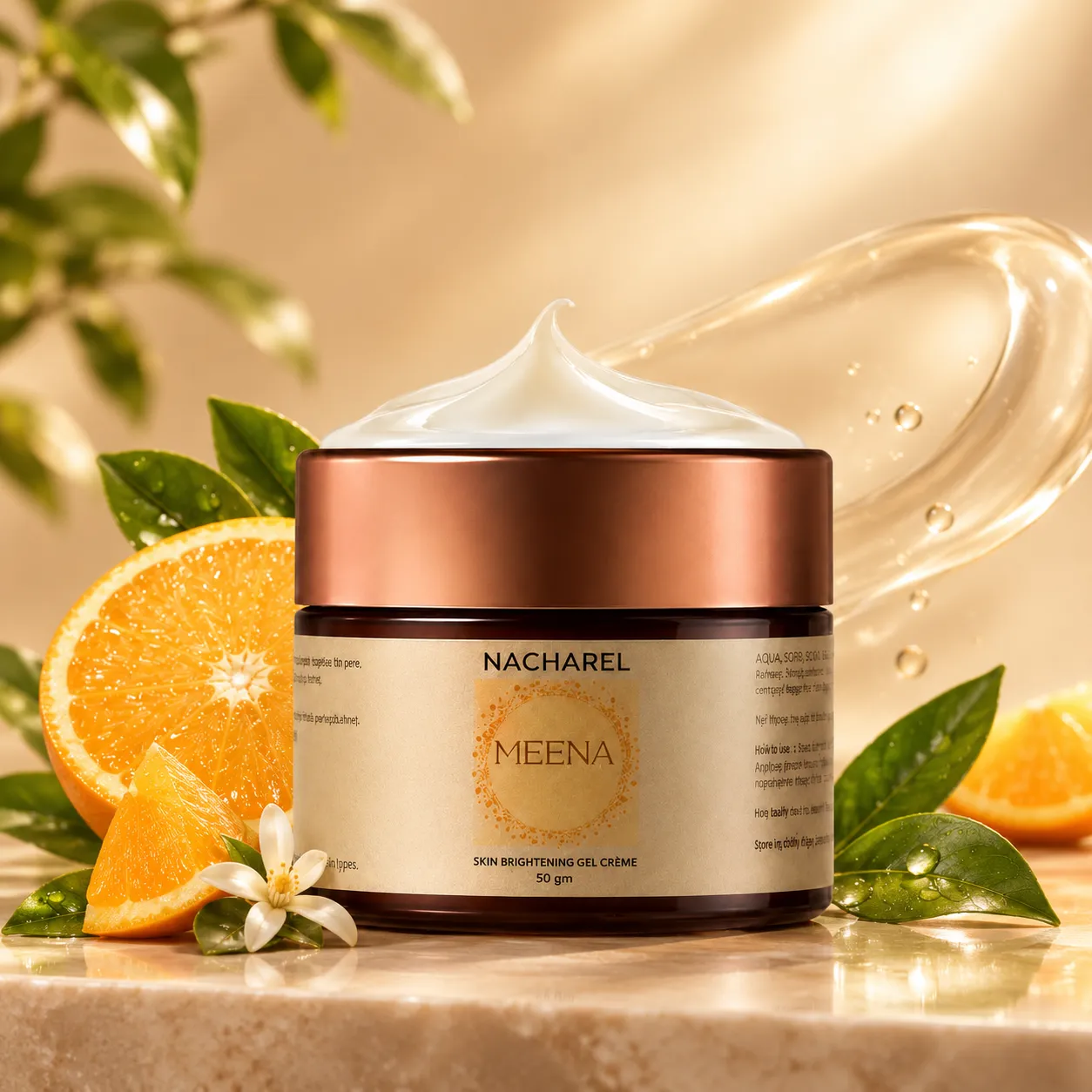 Featured productMeena Vitamin C Cream by Nacharel₹1,000
Shop now
-
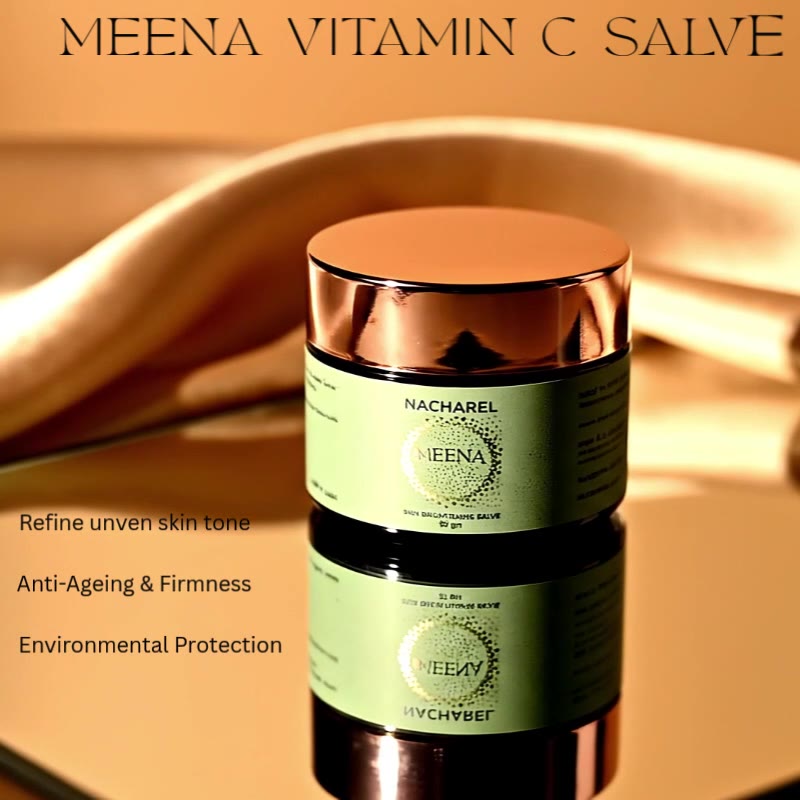 0:07 Meena Vitamin C Cream by Nacharel
Meena Vitamin C Salve for Even-Toned, Glowing Skin
Refine uneven skin tone, support anti-ageing and firmness, and protect skin from environmental stress with Meena Vitamin C Salve by Nacharel.
-
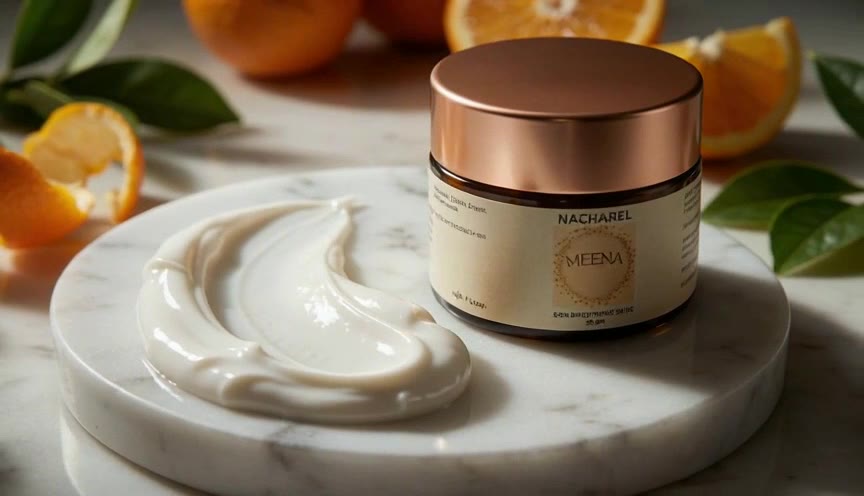 0:05 Meena Vitamin C Cream by Nacharel
Meena Vitamin C Cream with Fresh Orange
A silky swirl of Meena Vitamin C Cream beside fresh oranges. Handmade natural skincare for deep nourishment and a healthy, glowing complexion.
-
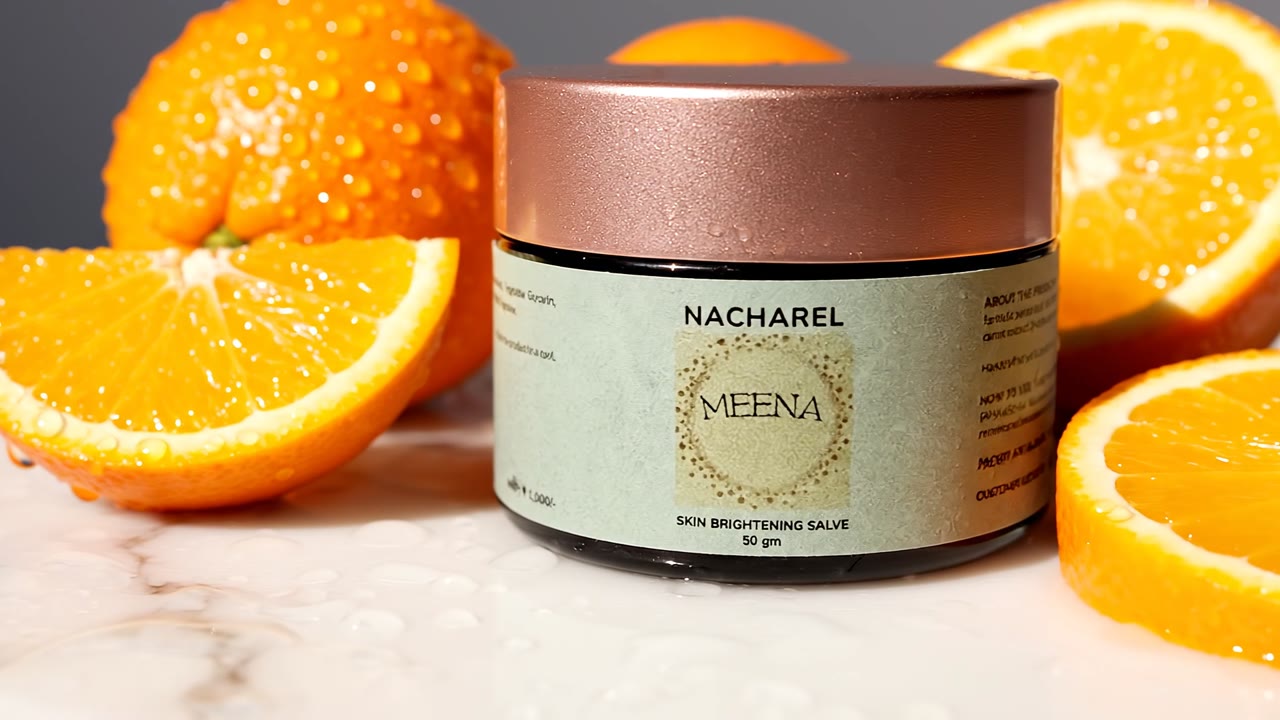 0:06 Meena Vitamin C Cream by Nacharel
Meena Skin Brightening Salve, Fresh Orange Glow
Meena Skin Brightening Salve (50 gm) with the freshness of Vitamin C and orange, made by Nacharel for a naturally radiant look.
-
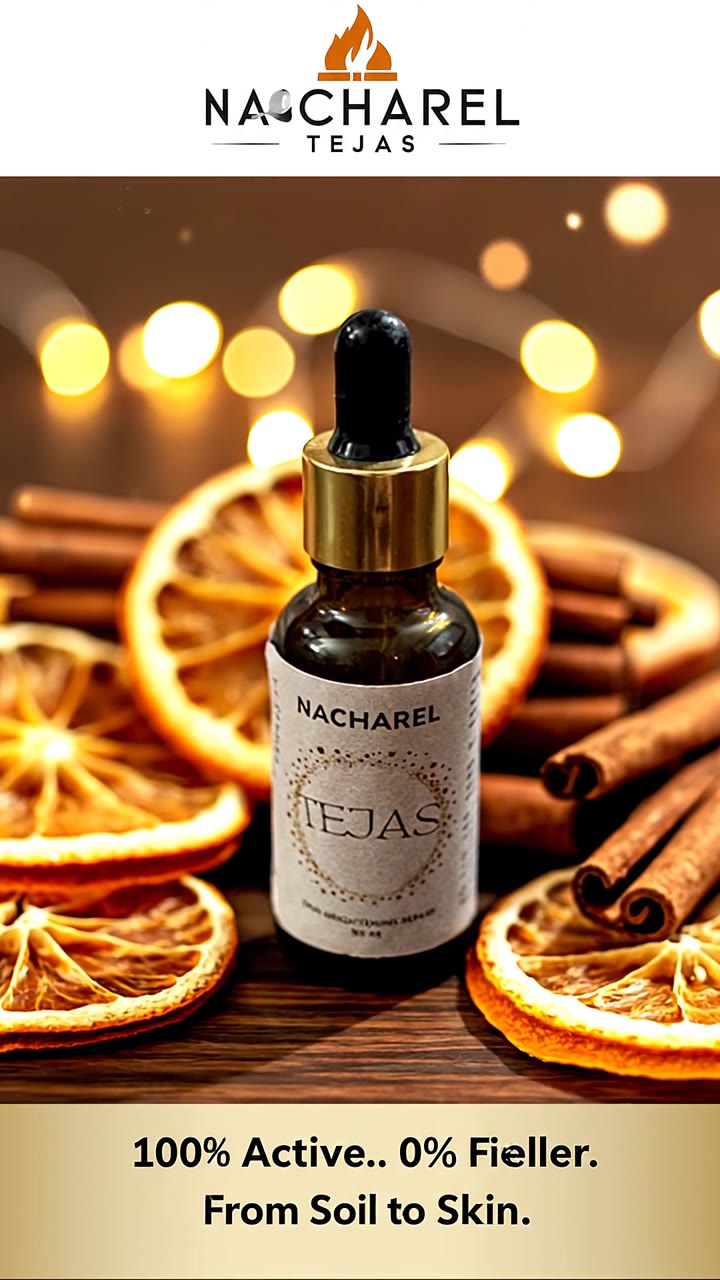 0:06 Tejas by Nacharel- face brightening serum
Tejas Face Brightening Serum: 100% Active, 0% Filler
From soil to skin. Tejas Face Brightening Serum by Nacharel is a plant-powered serum for even, radiant skin tone.